
Lesson 7 of 9 · AI Basics
How AI builds images
Image AI doesn't paint like a person, stroke by stroke. It starts with pure static and removes the noise until your picture is what's left.
Sculpting out of static
Most image generators use a process called diffusion. During training, the system watched millions of images get gradually buried in random noise, and learned to run that film backwards. When you type a prompt, it starts from a frame of pure static and "un-noises" it, step by step, steering every step toward something that matches your words.
Drag the slider: from static to picture
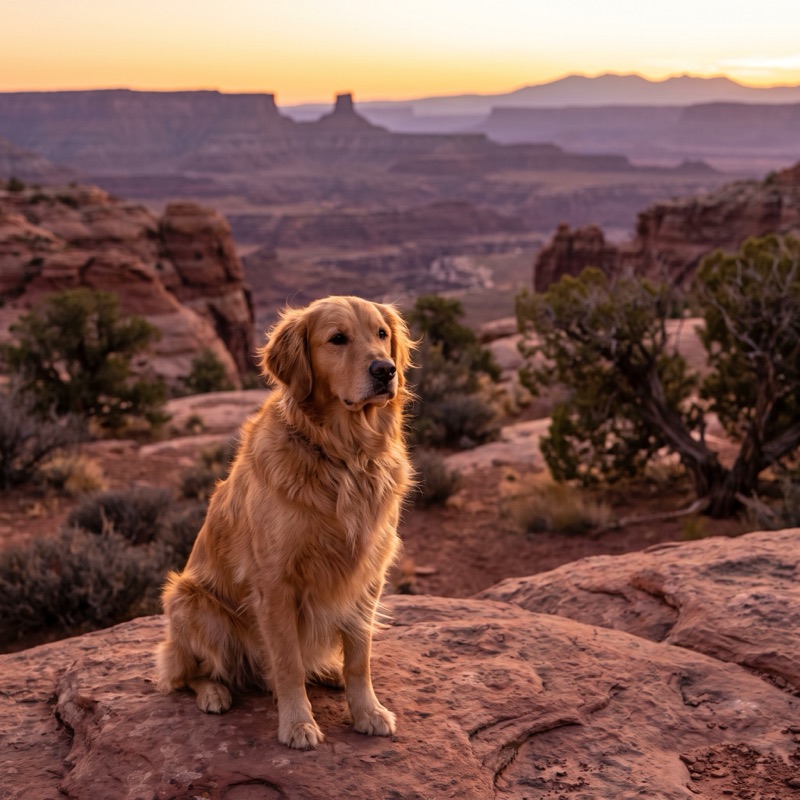
A simulation of the real process. Actual generators repeat the denoising step dozens of times in under a minute.
Your words steer every step
The prompt is the rudder. At each denoising step the system asks, "does this look more like a golden retriever in the desert, or less?" and nudges the pixels accordingly. More descriptive words mean stronger steering, which is exactly why prompt wording changes images so dramatically. That's the whole next lesson.
Worth knowing
- It composes, it doesn't collage. The AI isn't cutting and pasting from real photos. It generates every pixel fresh from learned patterns.
- Text and hands got better, not perfect. Details with strict rules, lettering, fingers, logos, are where generators still trip most often. Look there first when judging if an image is AI-made.
- Many AI images carry invisible watermarks. Google's image models, for example, embed a hidden signature called SynthID so software can identify them later.
Last updated August 11, 2026